
 719-661-5310
The Richardson ground squirrel (Urocitellus richardsonii) may look cute as it stands upright scanning the landscape, but don’t let its appearance fool you. Nicknamed the picket pin because of its upright posture and the flicker tail because of its constantly twitching tail, this small burrowing rodent can quickly become a major nuisance for homeowners, farmers, and property managers.
While these squirrels play an important role in prairie ecosystems by helping aerate soil and serving as food for native predators, large colonies can cause significant property damage through their extensive underground tunnel systems. In Colorado, many animals once identified as Richardson ground squirrels are now classified as the closely related Wyoming ground squirrel or Uinta ground squirrel, although their habits and the damage they cause are very similar.
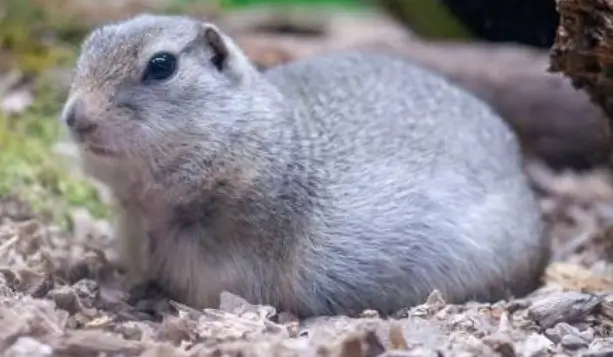
The Richardson “Wyoming” Ground Squirrel is a little Rascal!
How to Identify a Richardson Ground Squirrel
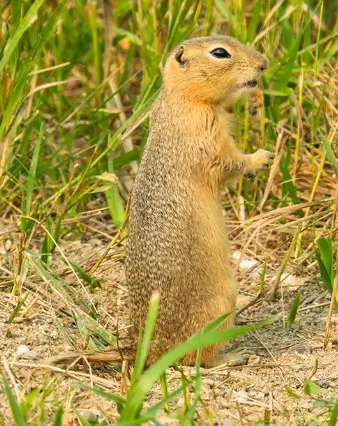
Richardson ground squirrels are medium sized rodents that typically measure 11 to 12 inches long, including their relatively short, lightly furred tail. Their coat ranges from grayish brown to light tan with a lighter colored belly, allowing them to blend naturally into grasslands, prairies, and open fields. Unlike tree squirrels, they spend nearly their entire lives on or below the ground, where they build extensive tunnel systems for shelter, raising their young, and hibernation. One of their most recognizable behaviors is standing upright on their hind legs like tiny security guards, carefully scanning the area for predators. At the first sign of danger, they let out a warning call and quickly disappear into the safety of a nearby burrow, often alerting the rest of the colony as they retreat underground.
Where They Live
These ground squirrels thrive in open areas where they can easily spot danger. They are commonly found in:
- Grasslands
- Pastures
- Hay fields
- Agricultural properties
- Parks
- Vacant lots
- Roadsides
- Large residential properties
Their favorite feature is soft, well drained soil that is perfect for digging elaborate tunnel systems. These underground burrows serve as much more than simple hiding places. They provide safe areas for nesting, raising young, storing food, escaping predators, and hibernating through the winter months. A single colony can create an impressive network of interconnected tunnels with multiple entrances and exits, allowing the squirrels to move quickly and safely throughout their territory. Over time, these expanding burrow systems can significantly alter the landscape, creating uneven ground that may damage lawns, gardens, irrigation systems, and agricultural fields while increasing the risk of trips, falls, and equipment damage.
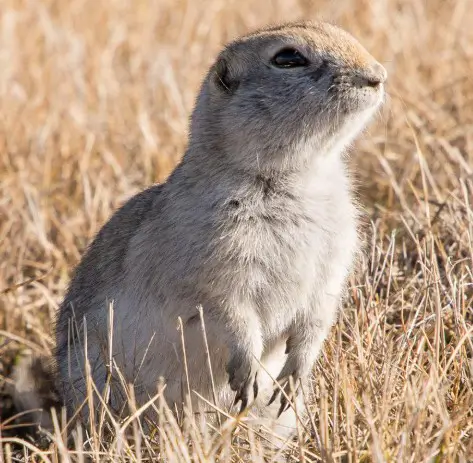
Masters of Underground Construction
If Richardson ground squirrels had business cards, they would probably say “Professional Excavators.”
Their burrows are far more complex than many people realize. A single colony can contain hundreds of interconnected tunnels that serve as living quarters, nurseries, escape routes, food storage areas, and winter hibernation chambers. Many burrows have multiple entrances, allowing the squirrels to quickly escape predators and move throughout the colony with remarkable efficiency.
Unfortunately, all of that digging can become a serious problem for homeowners. As these underground tunnel systems expand, they can weaken the soil beneath lawns, gardens, sidewalks, patios, driveways, and other landscaped areas. Burrowing can also damage irrigation systems, undermine retaining walls, and create uneven ground that becomes a tripping hazard for children, pets, and visitors. Left unmanaged, a growing colony can continue expanding year after year, making repairs increasingly expensive and allowing property damage to become much more extensive.
Burrows may weaken the soil beneath:
- Lawns
- Gardens
- Sidewalks
- Patios
- Driveways
- Fence posts
- Retaining walls
- Irrigation systems
Over time, the ground can become uneven, creating tripping hazards and expensive repairs.
Busy During the Day
Richardson ground squirrels are active during daylight hours, especially throughout the spring and early summer when they spend much of their time feeding, digging, maintaining their burrows, and raising their young. They are constantly alert and communicate using a variety of whistles, chirps, and warning calls that signal different types of approaching predators. One squirrel spots danger, sounds the alarm, and within seconds dozens of colony members can disappear underground almost instantly.
While their teamwork is fascinating to observe, it also allows colonies to thrive and expand quickly. Because they live in close knit social groups and reproduce each year, what starts as just a few squirrels can rapidly grow into a much larger infestation if left unmanaged. Early intervention is often the best way to prevent extensive burrowing, property damage, and the continued expansion of an established colony.
What Do They Eat?
These squirrels are strict herbivores with healthy appetites.
Their diet includes:
- Grass
- Leaves
- Wildflowers
- Seeds
- Garden plants
- Young shrubs
- Agricultural crops
They especially enjoy wheat, oats, barley, alfalfa, peas, and other valuable vegetation.
For homeowners, this means flower beds, vegetable gardens, landscaping, and freshly planted lawns may all become an easy buffet.
Long Winter Sleepers
Richardson ground squirrels are true hibernators.
They spend nearly two thirds of the year underground, often entering hibernation during late summer and remaining dormant until early spring. Once temperatures warm, males emerge first, followed shortly by females, and breeding begins almost immediately.
Each female typically produces five to eight young every year, allowing colonies to grow surprisingly fast if left unchecked.
Why Homeowners Should Be Concerned
Although they may seem harmless at first glance, Richardson ground squirrels can create expensive problems around residential and commercial properties.
Some of the most common issues include:
Lawn and Landscape Damage
Richardson ground squirrels spend much of their day digging and expanding their underground tunnel systems. Over time, this constant excavation creates holes, dirt mounds, and uneven ground that can quickly take away from the beauty of an otherwise well maintained lawn. These openings also make mowing, trimming, and general landscape maintenance much more difficult. Beyond appearance, hidden burrows can become tripping hazards for children, guests, and pets, making your yard less enjoyable and potentially less safe.
Structural Concerns
While these small rodents may seem harmless, their burrowing activity can have a surprising impact on nearby structures. Tunnels dug beneath patios, sidewalks, retaining walls, sheds, decks, and driveways may gradually weaken the supporting soil beneath them. As the ground shifts or settles, cracks, sinking surfaces, and uneven concrete can develop, resulting in expensive repairs. The longer an active colony remains, the greater the potential for underground damage.
Garden Destruction
If you have invested time and effort into creating a beautiful garden, Richardson ground squirrels can quickly undo much of your hard work. These hungry herbivores feed on flowers, vegetables, seedlings, herbs, ornamental plants, and young shrubs, often targeting tender new growth first. They may also dig through flower beds and vegetable gardens while creating new tunnel entrances, leaving homeowners frustrated as carefully maintained landscapes become damaged almost overnight.
Irrigation Problems
Extensive burrow systems do not always stop at your lawn. As tunnels spread beneath the surface, they can interfere with sprinkler systems, underground drainage pipes, irrigation lines, and other utilities. Burrowing activity may lead to broken pipes, water leaks, poor sprinkler coverage, and drainage issues that often remain hidden until significant damage has already occurred. Prompt identification and control can help prevent costly underground repairs.
Rapid Population Growth
One of the biggest challenges with Richardson ground squirrels is how quickly their colonies can expand. Because females produce a litter each spring and the animals live together in established colonies, a small population can grow rapidly in just a single season. What begins as a handful of squirrels and a few burrow entrances can soon become dozens of active tunnels spread across your property. Addressing the problem early is often the easiest and most cost effective way to prevent a much larger infestation later on.
Richardson Ground Squirrels in Colorado
Homeowners in Colorado should know that many squirrels once called Richardson ground squirrels are now classified as Wyoming ground squirrels or Uinta ground squirrels. While the names have changed, their behavior remains remarkably similar.
These closely related species still:
- Dig extensive tunnel systems
- Live in colonies
- Feed on vegetation
- Hibernate for long periods
- Cause many of the same landscaping and property concerns
For most property owners, proper identification is less important than recognizing the signs of an active burrowing rodent problem before significant damage occurs.
Early Action Can Prevent Costly Repairs
Richardson ground squirrels are fascinating members of North America’s prairie wildlife, but they are far less charming when they move beneath your lawn, landscaping, or foundation. Their constant digging, growing colonies, and appetite for plants can quickly transform a beautiful property into one filled with holes, damaged landscaping, and expensive repair bills.
If you notice fresh burrow entrances, disappearing plants, or increased ground squirrel activity, addressing the problem early is the best way to protect your home, preserve your landscape, and avoid much larger issues down the road. Early intervention is almost always easier and more affordable than waiting for an established colony to expand. Contact Us Today! We will solve your Richardson ground squirrel problems in a very humane way.