
 719-661-5310
Summer under Pikes Peak is close to perfect. Long light, warm evenings, every window thrown open. Which is precisely when the summer pests arrive, uninvited and unbothered. Most are harmless. A couple genuinely earn your caution. And one of them is so aggressively Colorado that transplants genuinely think their house is under siege.
Knowing which is which changes everything, because the right move depends entirely on what you’re looking at. So here’s the rundown on the summer pests Colorado Springs actually gets, and what each one really means for you.
The Bugs You’ll Actually Meet
Three groups cover almost every summer pest call around here. One’s pure spectacle. One’s routine. And one comes wrapped in more myth than any creature deserves.
What Pests Are The Most Frequently Seen in Colorado Springs, CO?
Miller Moths, the Colorado Initiation
You’ll know them when they come. Somewhere between mid-May and early June, usually, they arrive by the thousands, ricocheting off porch lights and pouring through any door left cracked for a second too long.
They’re the adult stage of the army cutworm, hauling themselves off the eastern plains toward the mountains, chasing flowering plants. Colorado Springs? Right in the flight path. Colorado State University Extension notes that some of them travel well over a hundred miles to reach summer feeding grounds, and homes near the foothills catch the heaviest traffic of all. But here’s the thing nobody tells the newcomers. They don’t breed indoors. Don’t eat clothes. Don’t touch food. They’re a nuisance, full stop, and most die within days. They also shrug off insecticide almost entirely, which means sealing the gaps and killing your outdoor lights at night beats any can you could buy at the hardware store.
Ants, Wasps, and Spiders
Now the ones that actually generate work. These are the summer pests that fill a Colorado Springs pest control calendar from June through September.
The Everyday Two
Unglamorous. Relentless. Constant:
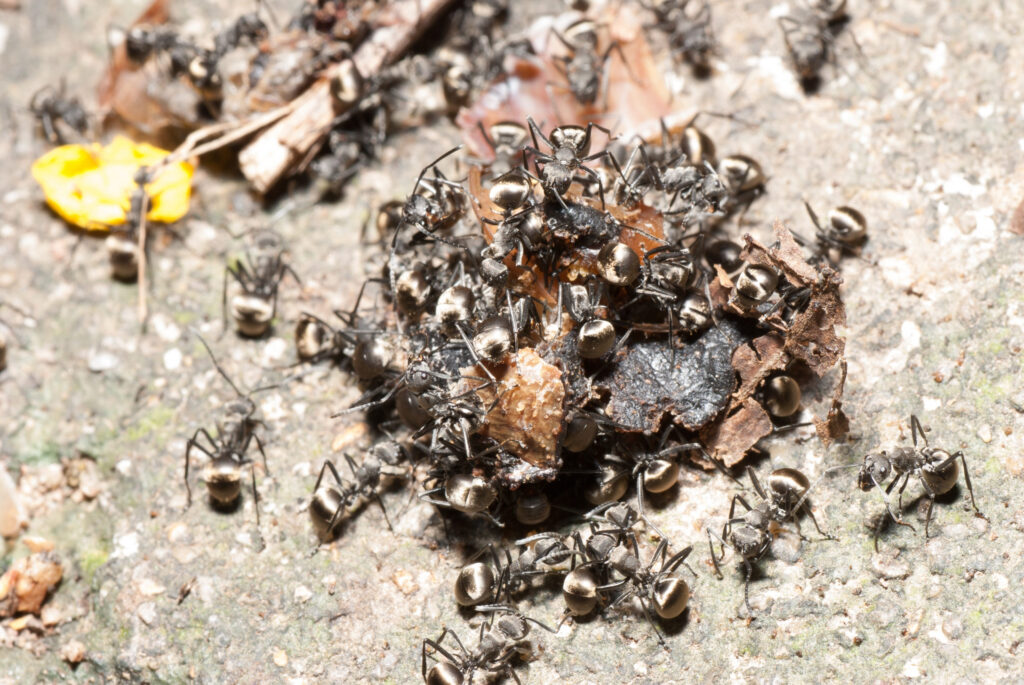
- Ants, trailing counters and foundations, hunting water and crumbs. Wipe the trail, and you’ve killed a symptom. The colony is the real thing.
- Wasps and yellowjackets, building all spring quietly, then peaking late summer, right when they turn genuinely mean and start crashing barbecues.
Never swat down an active nest yourself. Big ones, wall voids especially. That’s a real sting risk sitting right there, and it’s exactly what a pro exists for.
Spiders and the Myth Worth Killing
Most spiders in your house are harmless and quietly eat other summer pests for you. Free labor.
The one worth respecting? The western black widow. Window wells, crawl spaces, garage corners, dark, undisturbed ground-level spots. Suspect a bite, or symptoms worsen? See a physician.
But the brown recluse? Colorado State University Extension doesn’t hedge: recluse spiders are rare here; our cold winters and dry air mean they rarely, if ever, establish; and bites are badly overdiagnosed. Nearly every brown spider people panic over is something else. Identification beats panic every time.
Beyond the Bugs
Not every one of your summer pests has six legs. Some of it has four, and some of it carries something you genuinely don’t want.
Mosquitoes, Wildlife, and When to Call
Mosquitoes breed in standing water, and in Colorado, they can carry West Nile virus, so this isn’t just an itch problem. Dump it all. Birdbaths, clogged gutters, that wheelbarrow nobody’s touched since April. No water, no mosquitoes.
Then there’s the bigger crowd. Raccoons, skunks, and squirrels hunting for food and shelter, plus a loose soffit or an open attic vent, read like an invitation. Humane wildlife control pulls them out and seals the way back in, which is the part that actually ends it.
So what’s actually yours to handle? Plenty, honestly. Seal gaps. Fix screens. Dump water. Sweep crumbs, seal food. But call somebody for an active wasp nest, a suspected widow population, an animal living in your structure, or anything that keeps coming back no matter what you throw at it. Recurring summer pests almost always mean a nest or an opening nobody’s found yet. Dealing with something you’d rather not? Contact CM Pest Control for safe, humane help and a free estimate.
Frequently Asked Questions
When do miller moths hit Colorado Springs?
Usually somewhere between mid-May and early June, with the heaviest flights running for a few solid weeks. Homes near the foothills, which are most of Colorado Springs, catch the worst of it as the moths push toward higher ground. The reassuring bit? They don’t breed indoors, don’t eat clothes or food, and die off quickly on their own. Seal the gaps around doors and windows, cut the outdoor lights at night, and you’ll do far more good than spraying, since these moths barely react to insecticide anyway. Patience genuinely beats chemicals on this one, and the whole thing passes on its own soon enough.
Are brown recluse spiders in Colorado?
Basically no, and it’s one of the most stubborn myths around. Colorado State University Extension is clear that recluse spiders are rare here, because cold winters and dry air mean they rarely, if ever, get established. They also point out that brown recluse bites are badly overdiagnosed across the state. Almost every brown spider people report turns out to be a completely harmless lookalike that got misidentified in a panic. The spider actually worth your caution here is the western black widow. Suspect a widow bite, or symptoms getting worse? See a physician, don’t wait it out.
Can I take down a wasp nest myself?
Usually not worth it, honestly. Especially a big one, anything tucked in a wall void, or a yellowjacket colony late in the season when they’re at their nastiest. Stings turn genuinely dangerous for anyone with an allergy, and fumbling a removal is precisely how people end up hurt. A pro brings the protective gear and the real experience, takes it down safely, then figures out why it was built in that exact spot to begin with, so you’re not repeating the whole ordeal next June.
How do I cut the mosquitoes in my yard?
Chase down the standing water, because honestly, that’s the whole ballgame. Empty birdbaths often. Clear the gutters. Tip out buckets, planters, tarps, anything holding rain after a storm blows through. A shockingly small puddle is plenty for them to breed in. And since Colorado mosquitoes can carry West Nile virus, staying consistent about it matters more than most people assume. Stubborn problem? Contact Us for a free estimate.


