
 719-661-5310
There it is. Coiled by the woodpile or stretched across the warm patio stone. Your heart jumps.
Totally normal. But take a breath, because here’s the part nobody tells you first: most snakes in Colorado are harmless, and plenty of them are quietly working for you, thinning out the mice and pests.
One species, though, earns your respect. So real snake control isn’t about fear at all. It’s about knowing which snake you’ve got, making your yard a lousy place to live, and knowing exactly when to hand it off to a pro.
Know Before You Panic
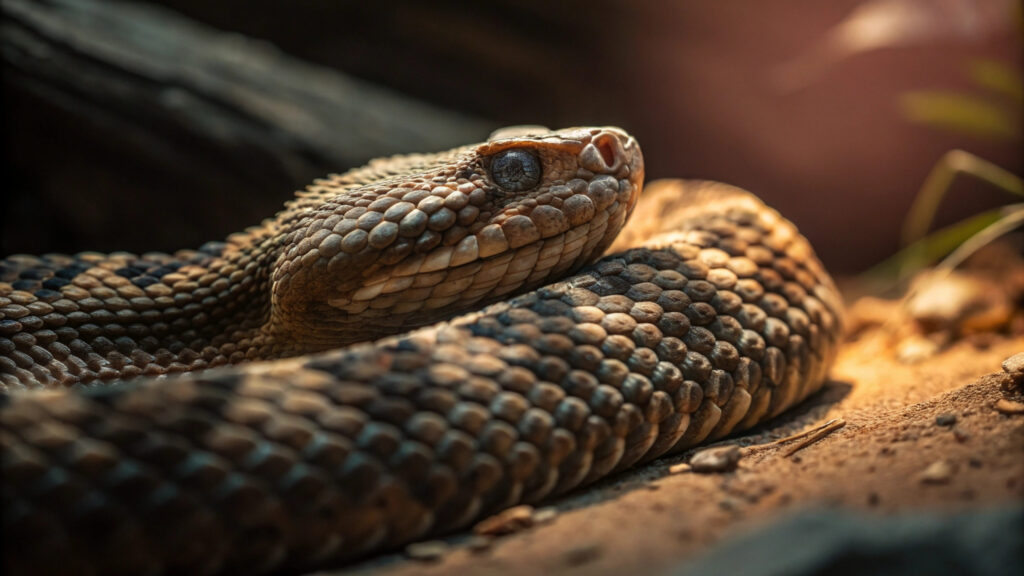
Snakes Removal In Colorado
Fear fills the gap where knowledge should be. Close that gap, and a snake in the yard goes from full nightmare to minor nuisance. Two things to sort out: what it actually is, and why it’s there.
Which Snakes Are You Actually Seeing
Good snake control starts with a quick, calm ID. Most Colorado snakes, garter snakes and bull snakes, are nonvenomous and shy, no real threat, though a bull snake will flatten out and buzz like a rattlesnake to bluff you. The one to actually respect? The prairie rattlesnake, the state’s main venomous species, is found across most of Colorado below the high peaks. Venomous or not, the rule never once changes. Never catch, kill, or handle any snake. Give it room, and it usually leaves on its own without any fuss.
Making Your Yard a Bad Bet
The best snake control happens well before you ever spot one. Snakes turn up for two simple reasons: a place to hide and something to eat. Take away both and your yard loses all of its appeal.
Take Away the Shelter
Snakes love a good hiding spot. So deny them one:
- Seal the cracks and gaps in foundations, decks, and sheds.
- Clear out the brush, tall grass, and rock or wood piles.
- Trim the shrubs back and up off the foundation.
Take Away the Food
No prey, no real point in staying. This is the big one, echoed by Colorado State University Extension:
- Knock down the rodent and insect populations that snakes come to eat.
Since snakes chase their dinner, sharp rodent control doubles as some of the best snake deterrence going. Starve the yard, and they quietly drift off somewhere else to hunt.
Handling the Real Thing
Even the best snake control isn’t completely foolproof. Sometimes, all prevention avails; face-to-face, you still see one. Do not panic and in no way poke at it! So a bite occurs. Walk away quietly, step aside and let go. When dealing with a rattlesnake, keep 5 feet or more away, and they strike about ½ their length. And a bite? Straight emergency. Call 911 or the Colorado Poison Center; do not panic, remove tight clothing and jewelry and make the trip to the hospital – no cutting, ice, no tourniquet, no matter what.
When to Back Off and Call a Pro
Here’s the line. Snakes living in the garage, the crawlspace, or the yard? Or any chance at all, it’s a rattlesnake? Stop and call the professionals. Fighting with a snake, no matter whether they’re a venomous snake alone or wrestling with any snake… that’s how people end up in the ER. A humane wildlife control specialist captures it, moves the animal(s) and then plugs the holes and removes the rodents that attracted it. That’s snake control — eradicating the cause, not merely the symptom. Come across anyone that you would like to avoid entirely? For safe, humane slithering snake control and a no-cost quote, contact CM Pest Control.
Frequently Asked Questions
Are Colorado’s snakes actually dangerous?
Mostly, no. Most of the time, they are harmless, shy, and even helpful; common garter snakes and bull snakes will eat rodents and garden pests year-round. Except for the prairie rattlesnake, a true ole’ venn’emo, all rattlesnakes are far from being aggressive and will give any wide berth you can manage. Don’t know what you’re at? If you come across a snake, it is safer to handle it with care and never attempt to do so yourself in case of an accident.
How do I keep snakes off my property?
Make it thoroughly unwelcoming. Seal cracks in the foundation and shed areas; remove brush and piles of rock and wood; maintain mowed areas; and prune shrubs to 6 inches or more from walls. Then there’s one of the major ones – control the rodents and bugs that snakes prey on first. Once they have removed the food and the cover, there is no more motivation for the snake to stay in your yard, and a good pro will do the whole job more quickly.
What if I run into a rattlesnake?
Freeze, breathe, and back away, keeping at least five feet away, since rattlers strike roughly half their body length. Never attempt to catch, to kill, or to nudge it anywhere. Step back out slowly (warn others), remove pets and inquisitive children from the area. Bitten? Immediately contact 911 or the Colorado Poison Center and proceed to the hospital. Do not do any cutting or icing, or put a tourniquet.
Should I remove the snake myself?
Not really worth it, especially if it might be venomous. Most snake bites begin when one is handling, cornering or attempting to squelch a snake. A humane wildlife pro captures and safely moves the snake, seals all gaps, and corrects the problem to keep the snake away for good. Contact us to get a free quote for safe, stress-free removal.


