
 719-661-5310
Colorado doesn’t feel like a termite country. That’s exactly the problem.
Most homeowners here assume that the cold winters handle the pest problem naturally. And for a lot of insects, that’s true. But termites. They, my friend, are different. They don’t freeze out. They burrow below the frost line and wait. Or they stay inside your climate-controlled home and keep eating.
The cold season doesn’t slow them down. A termite inspection in Colorado isn’t a luxury or a precaution for older homes only. It’s something every homeowner needs to take seriously. It doesn’t matter when the house was built or where it sits.
The earlier you spot the warning signs, the better for you and your home.
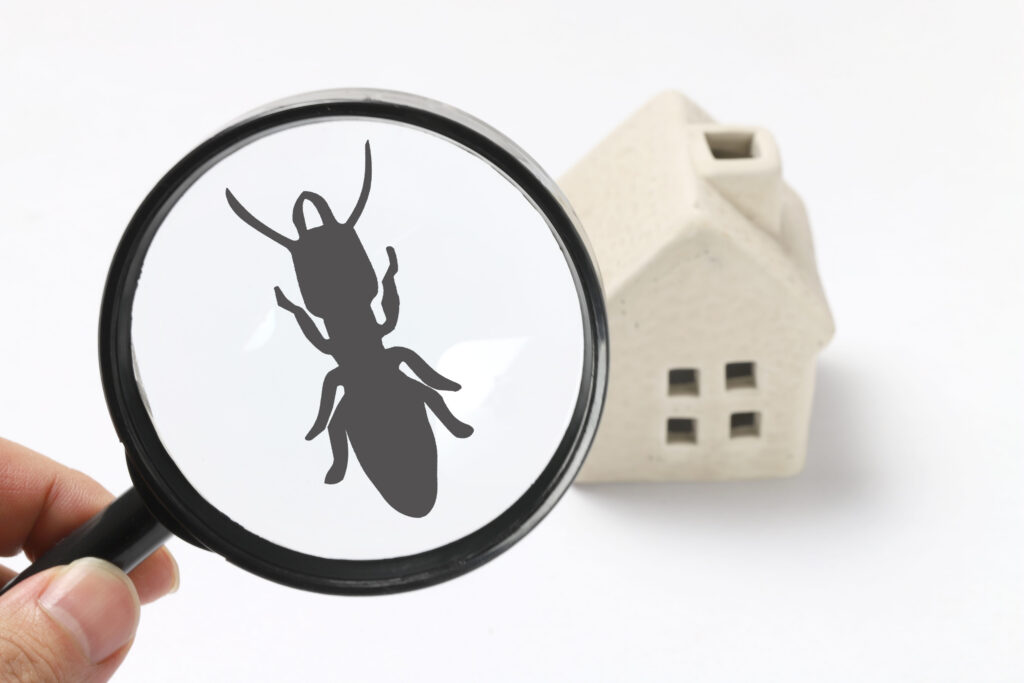
Termite Inspection in the Colorado Springs Area
Why Are Termites Harder to Spot Than Most Pests?
A mouse leaves droppings. A wasp builds a visible nest. Termites do almost all of their work hidden inside walls or beneath floors or even underground. By the time you see something obvious, the damage is usually well underway.
Termites also mimic other household problems. Paint bubbling can look like a moisture issue. A sticky window gets blamed on humidity. Squeaky floors sound like normal settling. These overlapping symptoms are why infestations often go undetected for a year or longer before someone thinks to check for termites.
A colony of 250,000 termites can chew through two feet of a standard 2×4 in about five months. Some colonies grow to a million members. The math is not in your favor if you wait.
What are the Signs of Termite Activity in Your Home?
Mud Tubes Along Foundation Walls
This is the most reliable physical sign of subterranean termites, which are the most common species in Colorado.
Subterranean termites live underground and travel to food sources through pencil-width tunnels made from soil and their own saliva. These tubes protect them from dry air and sunlight, both of which can kill them quickly. They appear most often along basement walls, foundation edges, and near utility entry points.
Run your hand along the base of your foundation, inside and outside. If you find a thin tube of compacted dirt that wasn’t there before, don’t break it apart and move on. That tube is a road between a colony and your home’s structural wood.
Hollow-Sounding or Visibly Damaged Wood
Tap on wood surfaces around your home. Baseboards, door frames, window sills, exposed beams in a basement. A solid piece of wood gives a full, dense sound. A piece hollowed out by termites gives back something different, a dull thud or a papery resonance.
Termites eat along the grain of wood and carve out long channels that can look like a honeycomb from the inside. By the looks of it you cannot tell if anything is wrong. Because the outer shell often stays intact. If you find any suspicious surface, press it firmly with your thumb. If it crumbles or feels soft, that’s a problem.
Seeing visible grooves, tunnels, or a maze-like pattern inside exposed wood? It cannot get more obvious than this.
Swarmers and Discarded Wings
Termite swarmers are the reproductive members of a colony. They have wings and dark, segmented bodies. They look like flying ants, so most people don’t immediately recognize them as termites. They emerge in swarms, usually in spring, often after rain, to mate and start new colonies.
If you see many winged insects near a lighted window or door, it may mean a termite swarm. This usually shows that a large termite colony is nearby or already inside the home. After swarming, termites drop their wings. Small piles of identical wings near windowsills, doors, or vents often show that a swarm happened even if you did not see the insects.
Frass: Termite Droppings
Drywood termites are a species less common than subterranean ones but still present in parts of Colorado. These termites produce distinctive droppings called frass. As they tunnel through wood, they push their waste out through small kick-out holes. What falls below looks like fine sawdust or tiny wood-colored pellets, sometimes compared to coffee grounds.
If you find small mounds of this material along baseboards or anywhere near wood, do not assume it is sawdust from an old renovation. Check the surrounding area carefully. Call a professional if you cannot identify the source.
Sticky Doors and Windows
In humid parts of the country, doors and windows swell with moisture in warm months. That’s a seasonal, predictable pattern. In Colorado’s dry climate, that explanation doesn’t hold up as well.
When termites eat through the wood framing around doors and windows, the wood warps and buckles as it weakens. This makes the door or window bind when you try to open or close it.
Bubbling Paint or Damaged Drywall
Termites eat paper. Drywall contains paper, and so does wallpaper. As termites work through these materials, they create small holes and tunnels just beneath the surface. The result is paint that appears to bubble or blister from the inside, or wallpaper that begins to peel without explanation.
Small pinholes in drywall can be a clear sign of termite activity. Some holes may have a small dot of dirt over them. If you gently probe one of these holes with a thin tool and feel empty space or tunnels behind it, termites may be active or may have been there before.
Musty or Earthy Smells Without a Clear Cause
Termites often create a musty, earthy smell. This scent comes from their droppings and the moisture they bring into hidden spaces. Many people mistake it for mold or mildew.
If you notice this smell in a basement crawl space or inside a wall, check for other causes first. Look for mold or plumbing leaks. If those are not the problem, termites may be the cause. Do not ignore the smell or assume it is just an old house odor.
Squeaky Floors or Loose Tiles
Floor problems that appear slowly can sometimes point to termite damage. Subterranean termites can weaken the wood under the floor. When this happens, boards may shift, and tiles may loosen. Floors may also start to squeak more than before.
Many people think squeaky floors come from age or normal settling. But if the sound is new and comes from one area it is worth checking for possible damage.
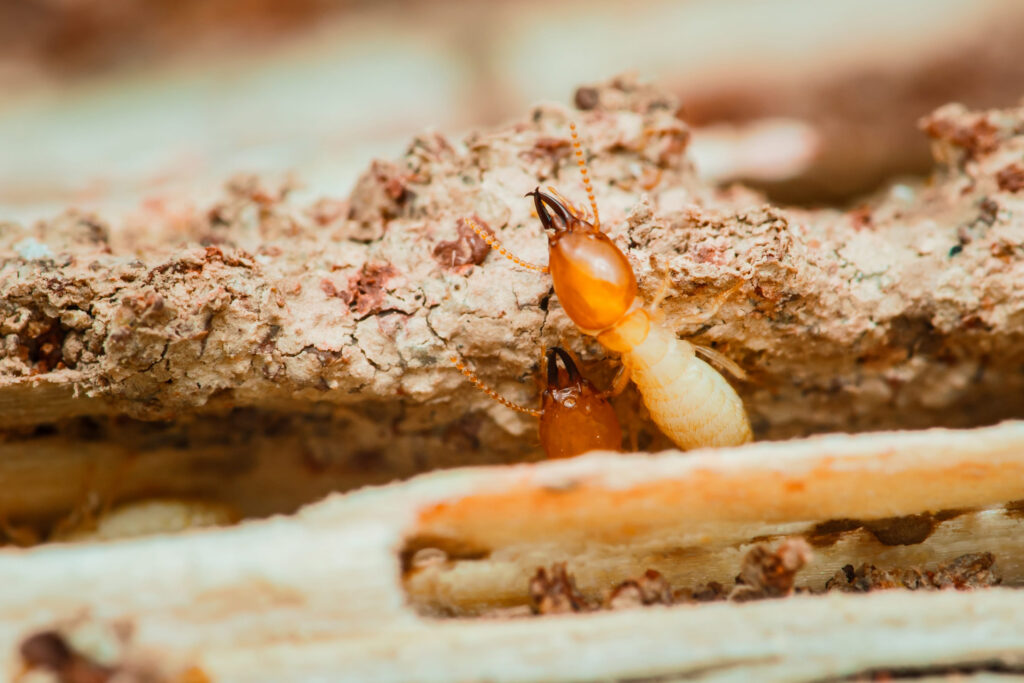
Does Your Home Need A Termite Inspection?
Final Thoughts
Termite damage doesn’t announce itself. That’s the whole problem. By the time you notice something is off, a colony may have been working inside your walls for a year or two already. To find the termites, you need to look actively rather than wait for something obvious to appear.
Walk to your basement. Tap on your doorframe. Check the foundation line outside. Pay attention to things that changed slowly enough that you almost didn’t notice them. In other words, go crazy. But do not let those small problems become big.
Call a professional like CM Pest Control. We work with Colorado homeowners to identify termite activity early, before it becomes a structural problem. Contact CM Pest Control to schedule your inspection and get a clear picture of where your home stands.
FAQ
Do termites survive Colorado winters?
Yes, termites survive Colorado winters by going deep underground where it is warmer. They slow down in cold weather but do not die. Inside warm houses, they stay active all year. When spring comes, they start moving again.
How do I know if what I’m seeing is termite damage or just old wood?
You can tell the difference by checking how the wood looks and sounds. Old wood usually shows visible wear like cracks, fading, or weathering on the surface. Termite damage, however, happens inside the wood, so the outside may still look normal. If you tap the wood and it sounds hollow or breaks easily, it is termite damage.
Can I treat a termite problem myself?
You can try treating small termite problems yourself with bait or spray, but it is hard to fully remove them on your own. Termites hide inside walls and wood, so they are easy to miss and missing even a small colony allows the damage to continue. For bigger problems, a professional is usually needed.


