
 719-661-5310
Wildlife try to get into homes because properties offer easy access to food, warmth, shelter, protection, water resources, and nesting space.
When a home has a combination of easy entry points and attractants, it’s tricky to keep wildlife out of your space.
They keep returning to your home if your property has pet food, bird seeds, damaged soffits, crawl space openings, and roofline gaps.
The best solution is to call Colorado Wildlife Control professionals, as only they can seal entry points, repair damage, create a prevention plan, and clean contaminated areas to protect your home year-round.
Why Does Wildlife Try To Get Into Homes? Explore 7 Reasons
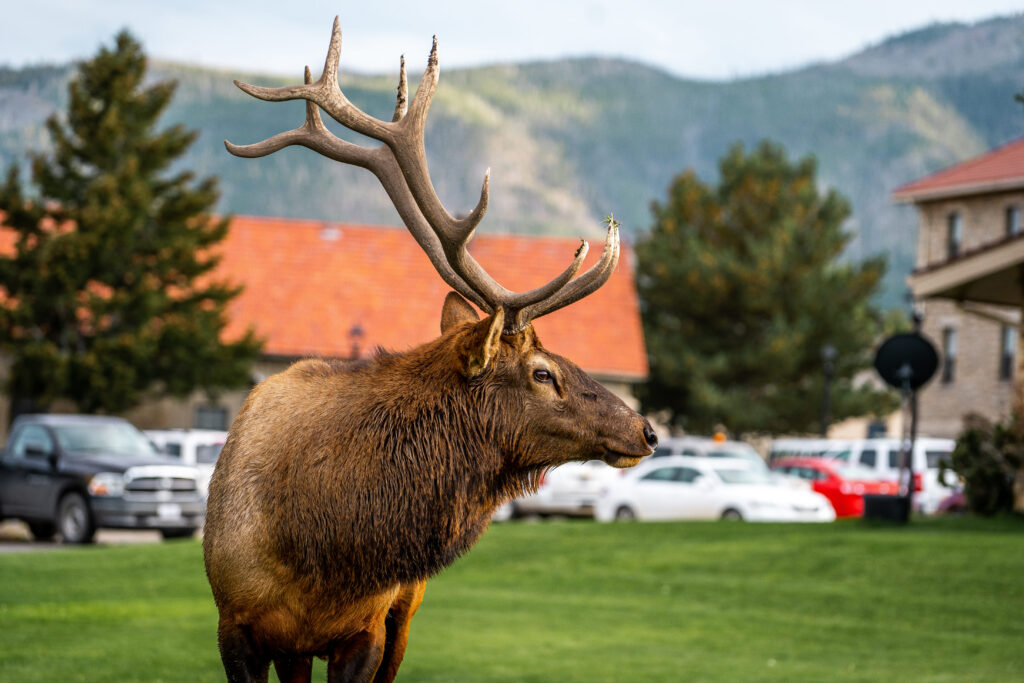
Ways to Ensure Your Home is Safe from Wildlife
Listed below are 7 reasons why wildlife tries to get into homes.
Wildlife Enters Homes Looking for Warmth
Wildlife enter homes in Colorado to seek warmth during cold weather. Seasonal temperature changes in Colorado bring snow, cold nights, and winter storms. Wildlife seeks out heated sources indoors when outdoor conditions are too cold to bear. Animals escape freezing temperatures by finding shelter in crawl spaces, basements, garages, chimneys, wall voids, and attics. Raccoons take shelter in chimneys, rats choose basements, and bats and squirrels find homes in attics. Once animals find a place to live indoors, they keep coming back until the wildlife control Colorado service provider seals the property to prevent them from returning.
Wildlife Is Searching for Food Sources
Wildlife is searching for food sources, and when they find enough sources in or around a home. They keep returning to space for food and eventually make it their shelter.
8 Common food sources that attract wildlife are listed below.
- Open trash cans
- Pet food left outdoors
- Bird feeders
- Chicken feed
- Grill grease
- Garden vegetables
- Compost piles
- Fallen fruit from trees
Bears are attracted to unsecured trash, coolers, pet food, grills, and bird feeders in mountain and foothill communities. Rodents, coyotes, skunks, and raccoons are very drawn to bird feeders, pet bowls, outdoor food waste, and garbage. First, wildlife are attracted to a space because of food resources, and then they become comfortable feeding around a home. Finally, animals start exploring crawl spaces, decks, chimneys, damaged areas, attic openings, and other easy entry points for shelter.
Wildlife Enters Homes to Nest and Raise Young
Wildlife enter homes to nest and raise their young. Animals always look for safe places to nest and raise their young. Attics, crawl spaces, vents, soffits, and wall voids in your home provide a comfortable place where they can get protection from human activity, weather, and predators. Wildlife commonly enter your home for nesting during spring and early summer, as it’s the time when wildlife breeding increases.
Mother raccoons normally enter attics or chimneys to raise babies; birds’ nests inside vents; bats may form maternity colonies in attic spaces; while squirrels choose attic insulation for nest building. Rodents like mice and rats quickly reproduce when they find a safe indoor nesting area with easy access to food and water.
Homeowners must avoid sealing holes without proper wildlife insulation, as this may trap baby animals inside. This unchecked sealing will also cause strong odors, dead animal problems, contamination, and loud noises.
Easy Entry Points Make Homes Vulnerable
Easy entry points make homes vulnerable. Wildlife does not need a very large opening, as many nuisance animals squeeze through small openings and enlarge weak areas by pushing, clawing, and chewing.
Listed below are 13 common animal entry points.
- Roof vents
- Attic vents
- Damaged screens
- Gaps around rooflines
- Dryer vents
- Plumbing opening
- Soffit gaps
- Deck and porch gaps
- Loose siding
- Fascia board damage
- Chimney openings
- Foundation cracks
- Crawl space vent
Wildlife such as raccoons, birds, snakes, mice, rats, and squirrels enter your home by taking full advantage of these easy entry points. Rodents make the best use of small foundation or garage gaps. Bats use narrow roofline openings, while raccoons tear through damaged chimneys, vents, and soffits. Professional wildlife exclusion involves activities like vent screening, crawl space barrier, chimney cap installation, roofline repair, and sealing animal entry points to eliminate easy entry points.
Habitat Loss and Urban Development Push Wildlife Closer
Habitat loss and urban development push wildlife closer to your space. Animals lose their natural habitats due to urban development. Animals are forced to enter residential communities, where trash sources, homes, sheds, and other areas provide food and water. Wildlife entry is common in the Front Range, Denver metro, Colorado Springs, Aurora, Fort Collins, and other mountain communities.
Animals are losing their natural homes due to these communities, so they are adapting to live near people. Urban Wildlife is comfortable there, as they can easily access trash, water, attic shelter, birdseed, and other resources they need to survive.
Water Sources Can Attract Wildlife
Wildlife enters your home that has water sources. When animals are searching for water during seasonal drought or dry weather, they enter your home through water features, ponds, bird feeders, bats, poor drainage, an irrigation system, or leaking outdoor faucets.
Properties with easy water access attract various wildlife, such as skunks, birds, raccoons, snakes, and rodents. When rodents gather in your space, snakes may also appear. You can eliminate unnecessary water sources in your home to distract wildlife.
Wildlife Follows Existing Pest or Rodent Activity
Wildlife enters your home by following existing pest or rodent activity. For example, rodents around your house attract predators such as snakes, coyotes, foxes, and owls. When you have an insect in your home, then birds, bats, and other animals follow them and enter your space. Snakes enter your home in search of prey when you have mice or rats in the crawlspace, basement, or garage; thereby, pest activity attracts wildlife.
Human Habits Accidentally Invite Wildlife
Many human habits accidentally invite wildlife. For example, when humans leave trash outside overnight, store birdseed in the garage, leave the garage door open, and fail to repair damaged vents, then wildlife gets attracted to your space.
Listed below are 8 common human habits that accidentally invite wildlife into your Colorado homes.
- Allowing debris to build up near the home
- Leaving gaps under sheds
- and porches,
- Ignoring roof damage
- Leaving the garage unchecked or unsecured
- Storing food in sheds
- Feeding pets outside
- Keeping bird feeders
Why Does Professional Exclusion Matter More Than Basic Removal?
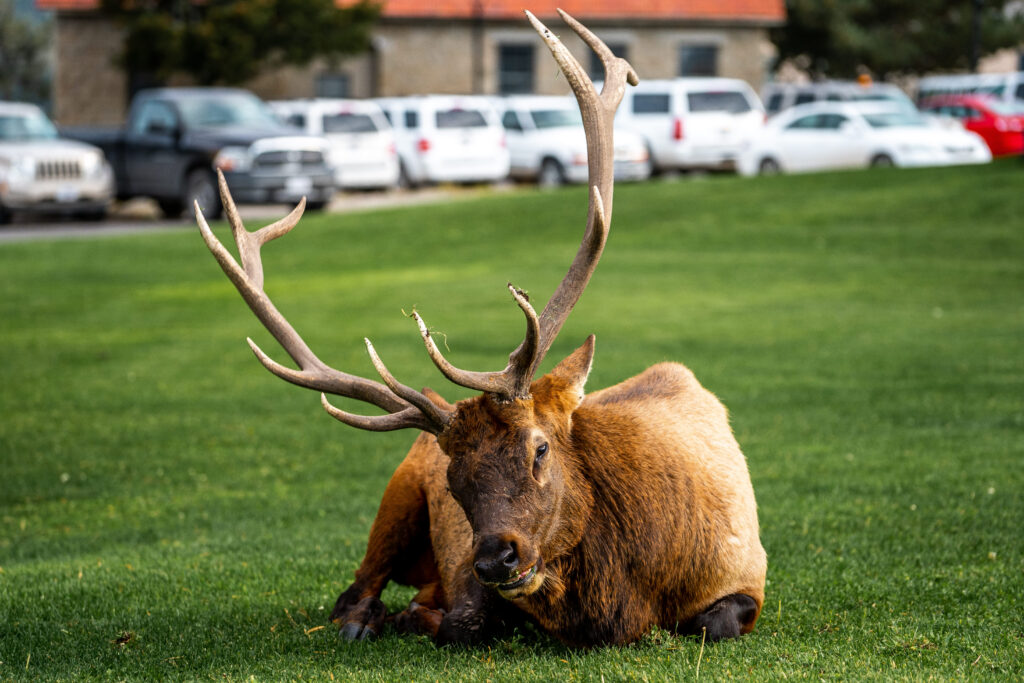
Keep Your Home Safe from Wildlife
You can remove an animal from your home if it tries to get in. But it is not a permanent solution to the problem your home has. The real problem is that your home has a combination of attractants and entry points that invite wildlife into your space. You may remove an animal once or twice, but what if they keep coming?
The only solution to regular wildlife entry into your home is to get professional Wildlife exclusion, rather than relying on basic animal removal. Professional exclusion is quite important for Colorado homeowners because homes are located near natural wildlife corridors, open spaces, wooded areas, parks, and trails. Animals easily find a reliable shelter in attics, wall voids, roof vents, garages, and chimneys.
A complete wildlife control process involves inspection of your home and identification of the space, entry points, and species; humane removal of animals; entry point sealing; damage repair, cleanup, and decontamination; and a final wildlife prevention plan.
Professional exclusion is an integral part of long-term wildlife control because it helps Colorado homeowners protect their homes, reduce repeat infestations, and prevent structural damage. Professional wildlife exclusion is a comprehensive solution that is far superior to basic animal removal.
Final Thoughts: When Should You Call a Colorado Wildlife Control Professional?
Colorado homeowners should immediately call a wildlife control professional when they hear repeated attic or wall noise, notice nesting materials, find chewed wires, or smell a strong odor. It’s better to let a professional handle a matter when wildlife entry is common in your home, even when you did basic animal removal. Homes with babies must be careful because animal entry is unsafe for kids. You should seek expert wildlife control help when you spot raccoons, skunks, and snakes nearby. Prevention is better than cure, so it is highly recommended to call a Colorado wildlife control professional to get the best wildlife prevention plan and enjoy a peaceful life at home.
FAQs
Why do animals keep coming into my attic?
Animals keep coming into your attic because it is an ideal place for nesting, warmth, shelter, and protection from predators.
What attracts wildlife to my house?
Trash, fruit trees, water sources, open garages, pet food, bird feeders, and compost attract wildlife to your house.
What animals commonly enter Colorado homes?
Raccoons, snakes, mice, birds, skunks, bats, rats, and squirrels enter Colorado homes.
Can I seal the hole myself?
You can seal a hole yourself once you are sure that there are no animals inside; otherwise, you may trap them inside the structure.
Are wildlife problems seasonal in Colorado?
Yes, Wildlife problems are seasonal in Colorado. Animals enter homes during winter as they seek warmth, while they take an exit in summer for food. Animals look for indoor shelter during the fall and seek homes for nesting activities in the spring.
What is wildlife exclusion?
Wildlife exclusion is the process of sealing, repairing, screening, and reinforcing all vulnerable points so wildlife cannot find an entry point.


