
 719-661-5310
Ants seem tiny until they show up in long lines across your kitchen floor. One day, the counter looks spotless. The next day, a trail appears near the sink and suddenly, your home feels under attack. That is why Ant Control starts with prevention before the problem grows.
Most ants enter homes for three simple reasons. They want food. They want water. They want shelter. Once they find one good source, they often return with more of their pals. If you make the mistake of leaving a few crumbs under a toaster or a damp corner under a sink, it can feel like a full invitation to them.
The good news is that keeping ants out often comes down to small habits that make a big difference.
Seal The Small Entry Points
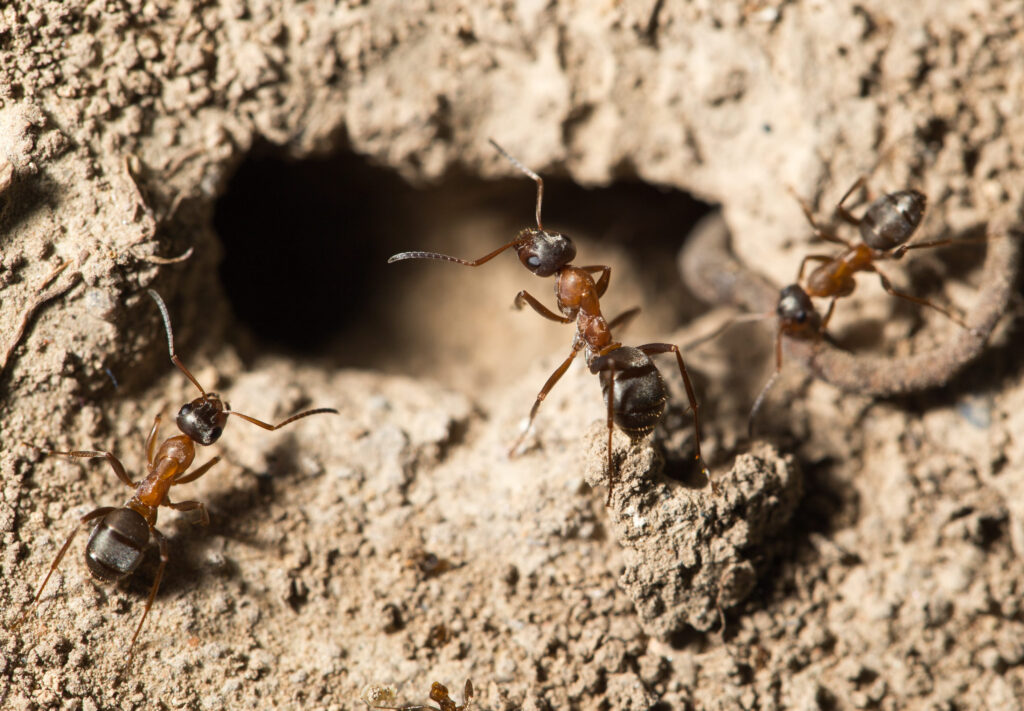
Keep Ants Out Of Your Home
That is the first, foremost thing to do. Ants do not need a large opening to enter a house. Tiny cracks around windows or gaps near doors often give them easy access. Use caulk to close small openings. Add weather stripping where needed. A lot of homeowners focus only on big holes, but ants often enter through spaces barely visible.
Check areas around:
- Window frames
- Door edges
- Baseboards
- Pipes under sinks
- Wall cracks near kitchens and bathrooms
Keep Food Fully Sealed
Ants are always looking for food and anything left open is an easy target for them.
Move pantry items out of their original bags and boxes and into airtight containers. Wipe down jars and bottles after you use them. Sticky drips on the outside of a honey jar or syrup bottle are enough to attract ants.
Ants have no reason to come into your kitchen at all when there is no food available for them.
Fix Moisture Problems Fast
Ants love damp spaces. Kitchens, bathrooms, basements and laundry rooms are like tourist spots for them. A dripping sink may seem harmless. For ants, it acts like a water station.
Check for:
- Leaky pipes
- Wet cabinets
- Standing water
- Damp window sills
- Poor drainage outside
Keep Outdoor Areas Clean
Many infestations start outside before moving indoors. It is your job to trim bushes away from the walls. Remove the stacked wood near the house and clear leaf piles. Keep mulch from touching the foundation as well.
Branches that rest on roofs or walls can work like bridges. Ants use them to travel toward entry points. Trash bins also matter. Keep lids shut and clean sticky residue from inside.
Use Smart Kitchen Habits
The kitchen is usually the ant headquarters. Crumbs behind a stove can sit unnoticed for weeks. Ants notice much faster than people do. Even sugary drink rings left on counters can attract them.
Do simple checks each day:
- Empty crumbs from toaster trays
- Clean under appliances
- Wipe around garbage bins
- Wash dishes before bed
- Vacuum hidden corners
Ant Control Starts Outside The Home
Indoor cleaning helps, but exterior prevention matters just as much.
Inspect your home’s perimeter. Look for nests near sidewalks, patios, or foundation edges. Ant hills near the house often lead to indoor traffic later.
Keep grass trimmed. Reduce standing water. Seal utility line openings.
If trees or shrubs touch siding, cut them back. This reduces hidden travel paths.
Think of it like locking both the front door and back door. Interior cleaning handles one side. Outdoor care handles the other.
Avoid Leaving Sweet Scents Around
Ants strongly react to sweet smells.
Open soda cans, syrup bottles and sticky jars often draw them in. Rinse recyclables before storing them.
Candles, lotions, or sugary spills near windows may also attract activity in some cases.
Do not ignore pantry shelves. Sugar, flour, cereal and snacks all need tight storage.
Watch For Early Warning Signs
Catching ants early makes treatment easier. Many people wait until they see dozens. The first few ants often matter more because they show a path is already forming.
Quick action keeps a small issue from becoming a frustrating infestation.
Look for:
- Thin moving trails
- Small dirt piles
- Winged ants indoors
- Repeated activity in one area
- Ants near sinks or food storage
When DIY Efforts Are Not Enough
Sometimes ants keep coming back even after you have cleaned everything and sealed all the gaps. This usually means a nest is hiding inside your walls or near your foundation.
Store sprays can kill the ants you see, but the colony hiding deeper stays alive. It keeps sending more ants out. That is why the problem never fully goes away on its own.
If the same ant trail keeps showing up every week. It is time to call a professional.
Conclusion
Keeping ants out of your home often is not hard, but it comes down to consistency. Staying consistent is hard for me, so I know how things go. Clean food areas and seal all entry points. Fix moisture issues and watch outdoor spaces. These small changes often stop way bigger pest problems.
Ants are persistent, but homes can be harder targets when basic prevention becomes routine. A little attention today can save a lot of frustration later.
If ants keep showing up despite your best efforts, CM Pest Control can help inspect the source and treat the issue properly. Our more than professional support helps stop repeat infestations and protects your home from deeper pest problems before they spread.
FAQs
Why do ants keep coming into my house even when it looks clean?
Ants search for food, water, and shelter. Even hidden crumbs, damp areas, or tiny openings can attract them.
What smell keeps ants away?
Strong scents like vinegar or peppermint may discourage movement in some areas. They do not always remove colonies.
Are ants dangerous inside a home?
Most household ants are more annoying than dangerous. Some species, like carpenter ants, can damage wood over time.
How often should I inspect my home for ant activity?
A quick monthly check around kitchens, bathrooms, windows, and outdoor edges helps catch early signs before they grow.


